November 25, 2026
Understanding the various finish stages is crucial for achieving the desired outcomes in construction. Each stage corresponds to specific criteria, ensuring the final wall appearance meets the practical and aesthetic requirements of a project. As a commercial drywall contractor, recognizing these subtleties assists clients in making informed decisions about which stage to choose based on budget, desired appearance, and utility functions. Choosing the right path ensures structural integrity and visual appeal for your spaces.
Leaving Drywall Unfinished
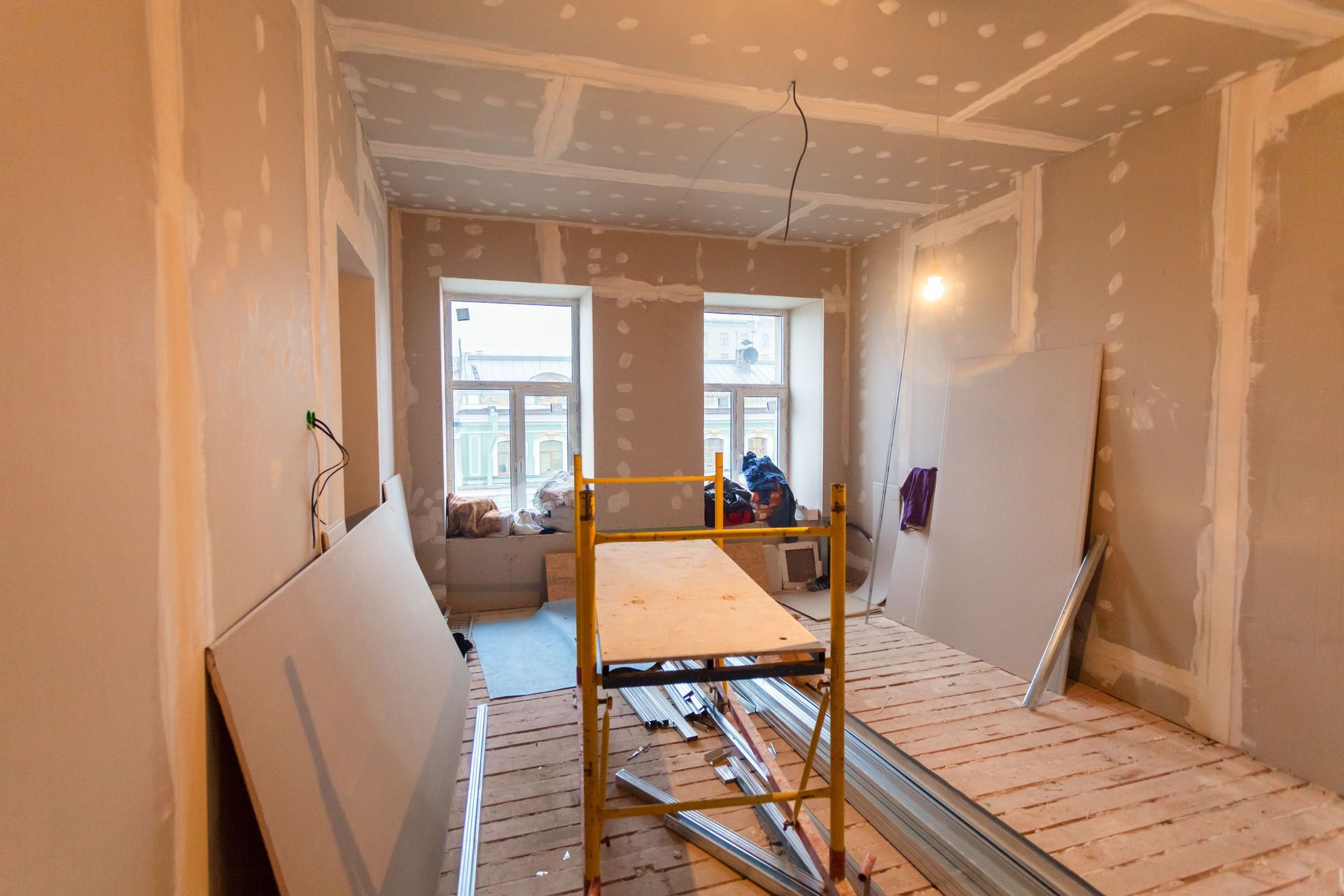
The most basic stage of finishing involves simply hanging the sheets without further treatment. According to HomeGuide, securing the panels directly to the framing studs without the application of mud or tape creates what is known as a level 0 finish. This stage features bare panels with visible seams and fastener indentations. It is a prerequisite stage encountered in new builds before surface treatments begin. The surface remains completely bare, making it unsuitable for final wall surfaces in occupied areas. Installation involves securing panels onto the framework while ensuring they are properly aligned. Installers use the appropriate amount of fasteners to prevent structural issues.
This unfinished state is typically used in temporary construction or situations where walls may be removed soon after initial building. It is frequently applied in hidden areas like closets or utility rooms where aesthetic appeal is not a priority. A knowledgeable commercial drywall contractor might recommend this for non-occupational spaces such as storage rooms or behind cabinetry, where cost savings matter most. This minimal approach reduces labor, allowing for future modifications without significant waste. The primary advantage is the cost-effectiveness and speed of installation, although the downside includes unsightly aesthetics. Surfaces at this stage provide no protection against moisture fluctuations.
Executing Level One Finishes
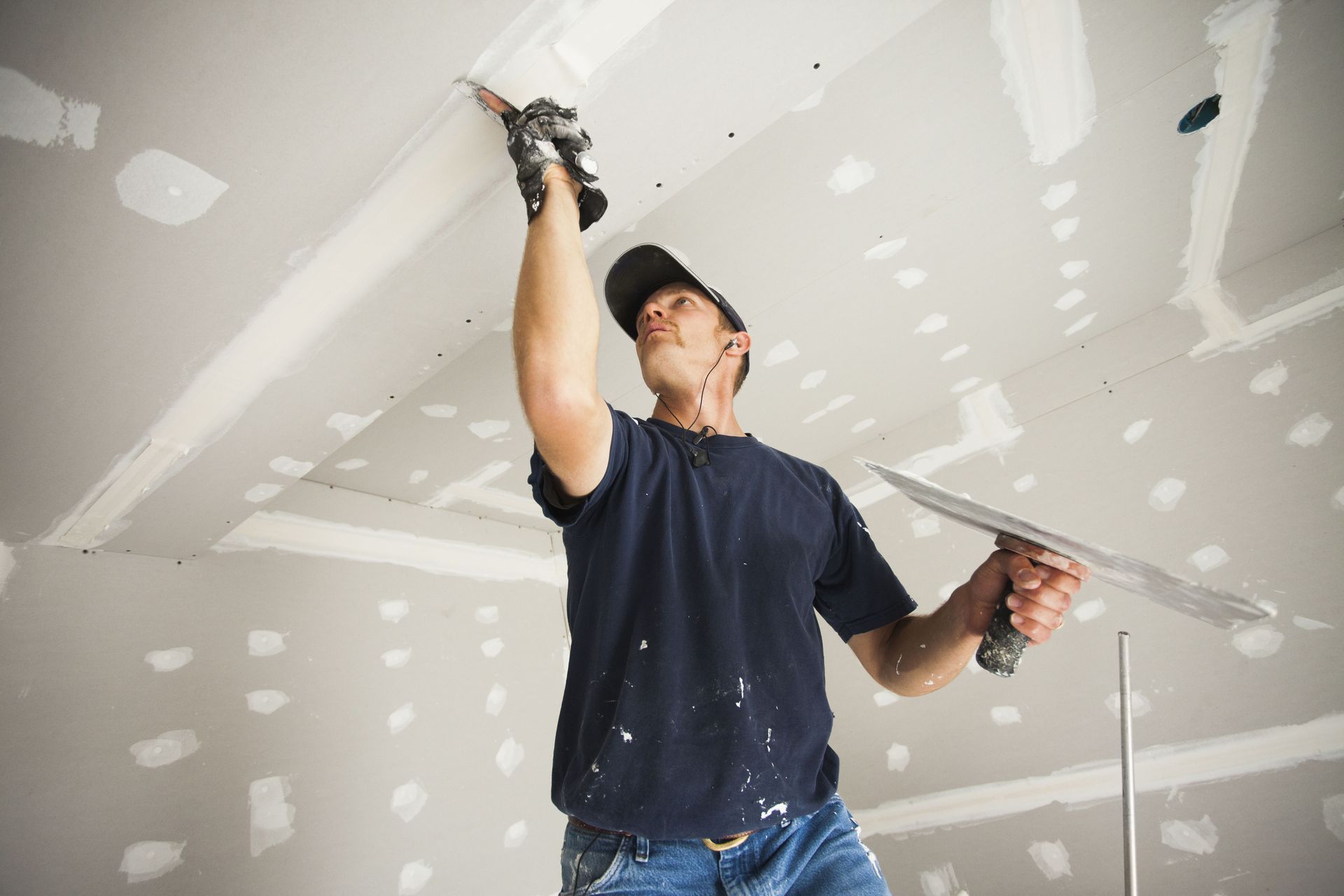
The essential task here involves embedding paper tape in a layer of joint compound along the seams. This reinforces the joints to prevent cracks and protect panel integrity over time. It visibly improves upon the bare stage by introducing durability characteristic of more finished surfaces. Professionals use this method as a foundation for successive stages where refined appearances are important. While not used on its own for visible walls, it establishes a key stage in multi-layer systems. To achieve success, professionals must properly embed the tape into a wet layer of compound applied along the seams, followed by another thin layer.
These finishes are mostly prevalent in areas not exposed to public view, such as concealed spaces where basic structural guarantees are necessary. An experienced commercial drywall contractor frequently employs this in storage areas, attics, and basements where further aesthetic improvement might be foregone. Mechanical and vent rooms also benefit from this approach, prioritizing efficiency over decorative perfection. Regions with anticipated future alterations often employ this stage so the integrity of the panels remains secure. It offers an excellent balance between minimal finishing and maintaining durability. Allowing ample drying time helps maintain structural soundness and prepares the wall for follow-up processes.
Implementing Level Two Finishes
This stage advances the process by adding a second coat of joint compound, aimed primarily at improving surface texture and filling imperfections. It serves as a prerequisite for more refined states, smoothing the wall's appearance and preparing it for subsequent paint applications. By applying an additional coat and feathering the edges, surface irregularities are minimized, producing a more uniform canvas. The result is a smoother overall wall appearance, suitable for basic installations and entry-level upgrades. This strengthens the initial bonds and lays the groundwork for more intricate details. Uneven application of the joint compound remains a challenge here, requiring a skilled hand.
Commonly, this method is employed in environments where moisture and disruptive elements are less likely to occur. These include areas such as garages, storage rooms, and outbuildings where a mid-tier appearance suffices. It can apply to building sections slated for painted surfaces that do not require meticulous detailing. Placed in less prominent locations, it accommodates budget stipulations while delivering a durable base. For budget-restricted projects, working with a reliable commercial drywall contractor ensures this stage meets fundamental functionality thresholds. Material selection assumes importance, where quality lightweight compounds often become preferred to reduce drying times. Trowels and taping knives achieve impeccable results.
Preparing Level Three Finishes
This state denotes the preparation of surfaces for texture work, receiving a final touch of a light coat to even out imperfections and supply adhesion bases. It embodies an ideal stage for texture applications, including sprays and trowel-based designs, and conceals inconsistencies from prior stages. Fundamentally, it fosters a semi-finished state, guiding projects towards specific aesthetic enhancements that match creative aspirations. Versatility at this juncture allows wider leeway in material choice and execution approaches. More advanced professional methods are required for exact renderings that respect buyer tastes. Achieving this requires particular tool proficiency, with attention to special sprayers and trowels ensuring precise patterning.
There are various textures that professionals recommend at this stage, each adding distinct character to spaces. Choices include slap brush, knockdown, and orange peel textures, often preferred for their ease of application. Contrasting textural effects offer visual dynamics that can enliven spaces or better conceal construction imperfections. Any knowledgeable commercial drywall contractor knows that texture and color selection enhance marketability and tenant satisfaction. Custom references ensure the right texture is chosen, showcasing versatility through coordinated efforts between client desires and expert execution. Regulating quality requires continuous oversight to check for conformity to client specifications and project continuity.
Refining Level Four Finishes
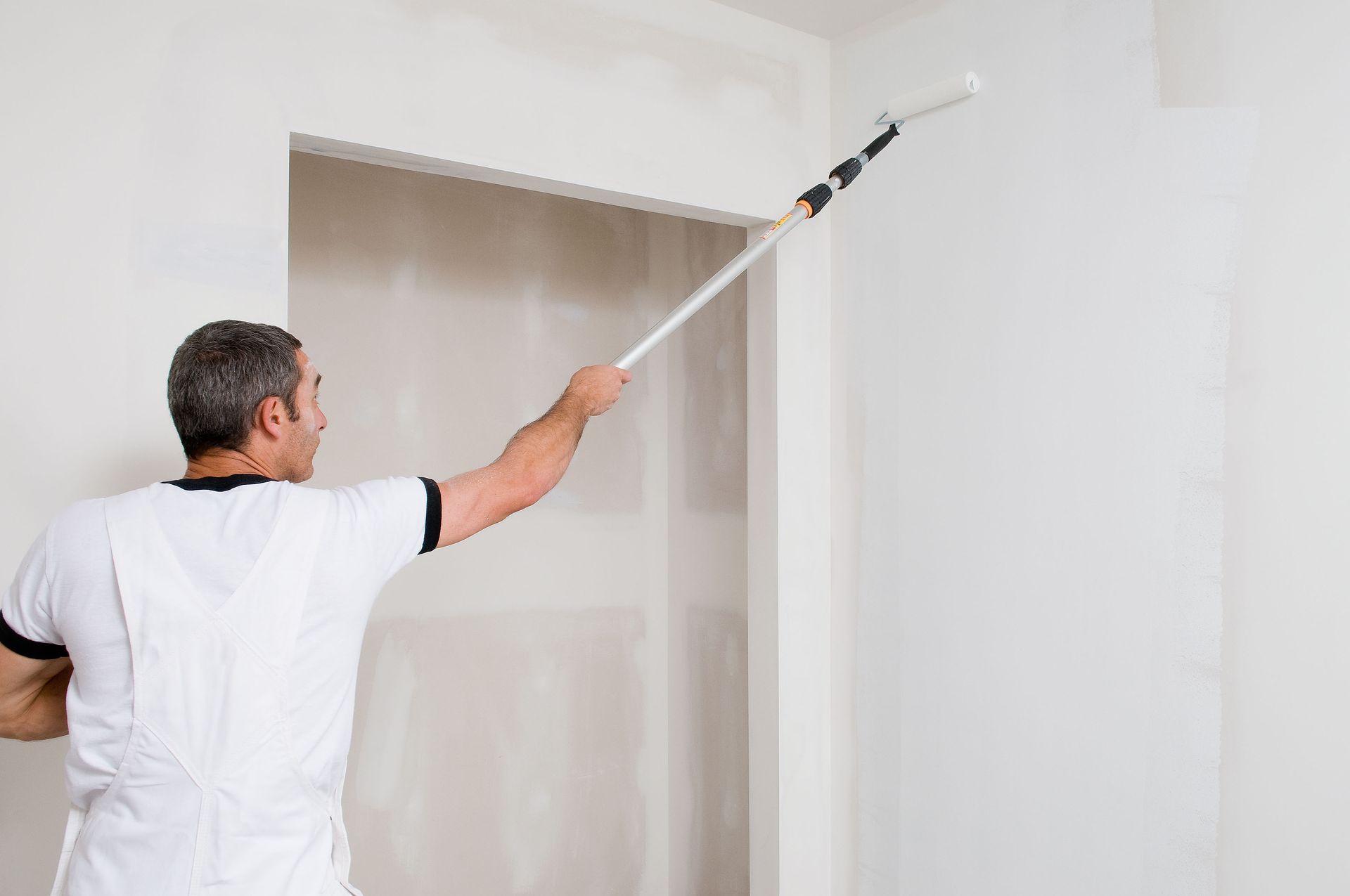
These surfaces exemplify higher smoothness attainment, prepared for painting using flat paints or light textures that emphasize wall symmetry. Generally ideal for residential or office projects seeking sleek appearances, it involves a multiple-coat joint compound application and edge trowel leveling. These surfaces, refined to near-flawlessness, serve both visual satisfaction and practical imperatives to achieve an enhanced appearance of polished elegance. Intermediate intricacy further augments structural presence, harmonizing design standards for clients desiring classic or contemporary outcomes. Degrees of finished readiness highlight this stage's accolades. Professionals execute precise finishes using essential tools, facilitating advanced taper edge execution crafted alongside trained hand guidance.
Selecting appropriate paints and textures integrates into seamless result endeavors intent on aesthetic allure. Flat paints, notably chosen for minimizing surface glare on even stretches, align desired outcomes to further enhance visual clarity. Subtle treatments offer added depth consistent with calculated ambiance renovations, promoting accomplished visual planes. Tactfully coordinated applications uncover strategic prowess, leveraging paint selections to peak surface shine versatility. A competent commercial drywall contractor refines these outcomes enthusiastically to meet celebratory conclusions. Adhering to professional protocols reliably fulfills maximum creative expectations within client-allocated project parameters. Achieving recognized decorum means employing contemporary techniques correlating industry traditions dictating optimal know-how for surface continuity.
Navigating the nuances of surface preparation requires foresight, skill, and a deep understanding of architectural demands. Whether a project calls for hidden utility spaces or flawlessly smooth office walls, selecting the appropriate finishing stage dictates the long-term success of the build. Balancing budget constraints with aesthetic desires ensures every room meets its functional purpose without compromising on quality. As a dedicated commercial drywall contractor, our team brings precision and expertise to every phase of your construction journey. To guarantee your next project achieves the perfect balance of durability and design, contact Specialty Commercial Contractors today so we can begin bringing your vision to life.