September 3, 2026
Commercial drywall does much more than create smooth interior walls. In offices, retail spaces, healthcare facilities, schools, warehouses, and other commercial properties, properly selected and installed drywall contributes to the safety, function, durability, and appearance of the finished building. Because these spaces often experience significant daily use, wall and ceiling systems need to meet the demands of the environment. Working with an experienced commercial drywall contractor helps ensure that drywall systems are appropriate for the building and professionally installed.
Drywall also influences how occupants and visitors perceive a commercial property. Straight walls, smooth finishes, clean transitions, and properly completed ceilings contribute to a polished environment, while appropriate materials can support important performance requirements. According to Autodesk, worldwide construction spending was projected to reach $15.7 trillion in 2025, demonstrating the enormous scale of investment taking place across the construction industry. With so much invested in commercial buildings, quality interior construction remains an important consideration. Here are six ways commercial drywall can affect both building safety and appearance.
Supporting Fire-Resistant Building Assemblies
Meeting Building Requirements
Commercial buildings may have specific requirements for fire-resistant wall and ceiling assemblies based on their design, occupancy, and applicable codes. Drywall products designed for particular assemblies can play an important role in meeting these requirements. Professional installation helps ensure the specified materials are incorporated correctly.
Separating Interior Spaces
Walls often separate offices, corridors, mechanical spaces, tenant areas, and other sections of a commercial property. Depending on the building design, certain partitions may require specific fire-resistance ratings. A commercial drywall contractor can work from project specifications to construct assemblies that support the intended building design.
Protecting Critical Areas
Some areas require greater attention because of how they are used or where they are positioned within the building. Properly constructed drywall assemblies can contribute to the protection provided by walls and ceilings in these locations.
Maintaining Assembly Integrity
The performance of a wall assembly depends on more than the drywall panels themselves. Fasteners, joints, penetrations, framing, and other details can influence the completed system. Professional workmanship helps maintain consistency across the entire assembly rather than treating drywall as merely a decorative surface.
Creating Durable Interior Surfaces
Handling Daily Building Activity
Commercial interiors can experience substantially more activity than residential spaces. Employees, customers, equipment, carts, furniture, and routine operations may all place demands on walls. Selecting materials suited to the environment helps create surfaces capable of supporting everyday use.
Addressing High-Traffic Areas
Hallways, entryways, common areas, and other busy spaces can be particularly susceptible to wear. An experienced commercial drywall contractor can help ensure specified drywall systems are properly installed in areas where durability is especially important.
Reducing Visible Imperfections
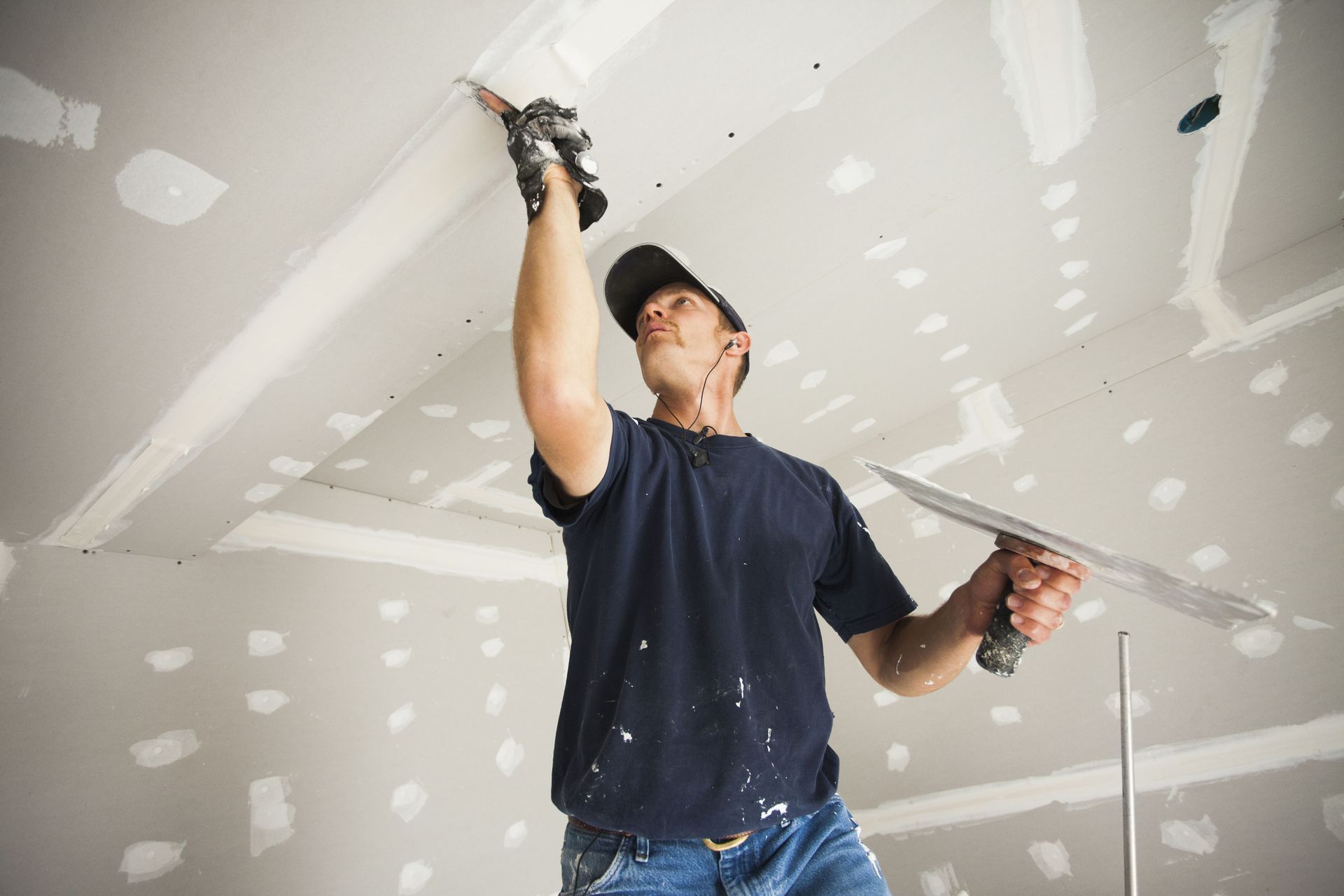
Proper installation and finishing can reduce distracting joints, uneven surfaces, and other visible imperfections. Quality workmanship creates a more consistent surface while helping the interior retain a professional appearance under regular commercial use.
Supporting Long-Term Performance
Commercial construction represents a significant investment, making longevity an important consideration. Well-executed drywall work supports an interior that can continue serving the property as business operations evolve. Durable surfaces can also make future maintenance and improvements easier to manage.
Improving Interior Appearance
Creating Smooth Wall Surfaces
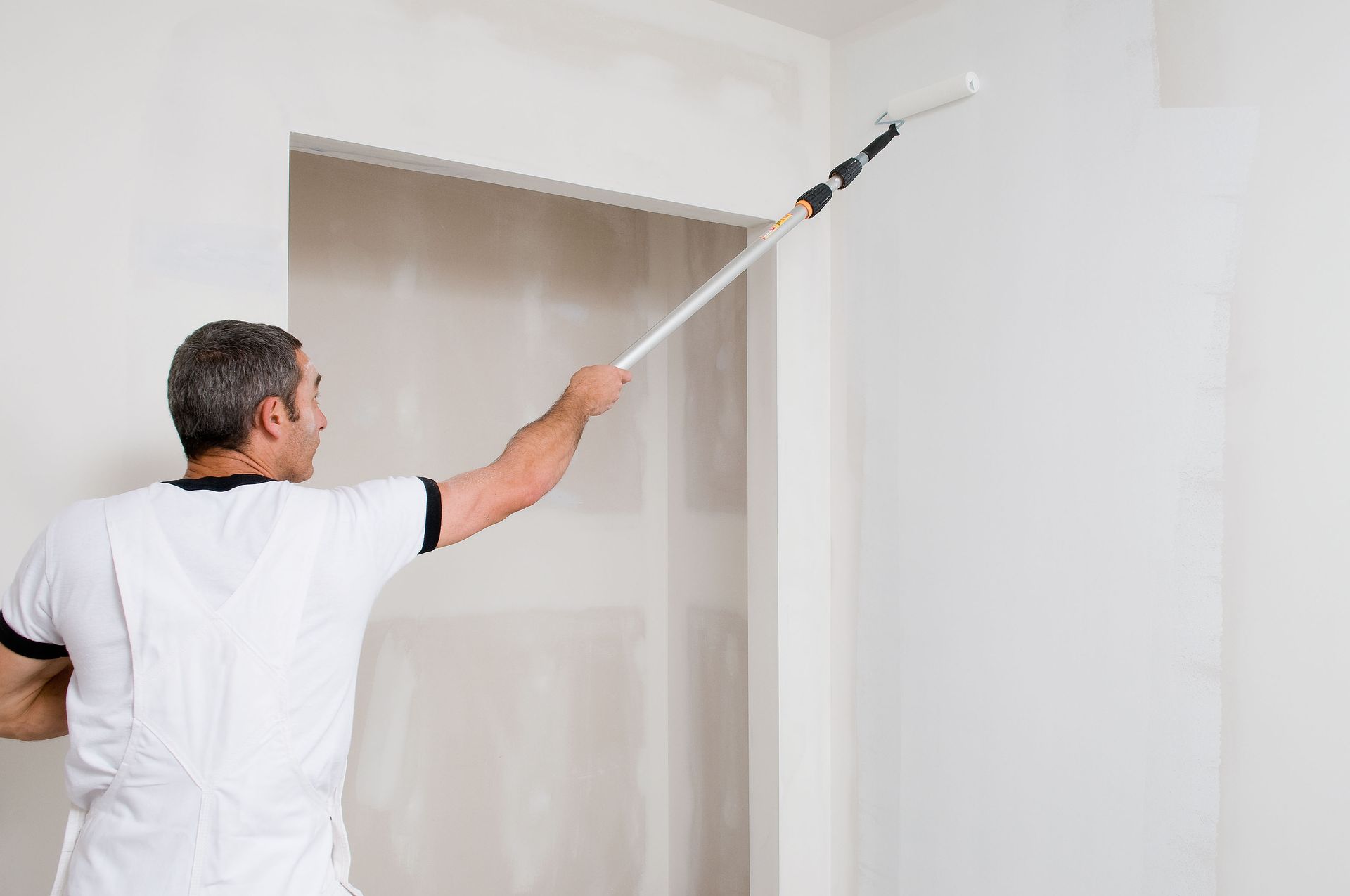
Walls occupy a large portion of nearly every commercial interior, so their appearance has a substantial effect on the finished space. Smooth, properly finished drywall provides a clean foundation for paint and other specified finishes, contributing to a more polished environment.
Maintaining Consistent Finishes
Large commercial spaces can make inconsistencies especially noticeable. Uneven joints, irregular textures, and poorly finished transitions may stand out across long walls or under strong lighting. A professional commercial drywall contractor focuses on consistent workmanship that supports the intended visual standard.
Complementing Interior Design
Drywall helps define the rooms, corridors, ceilings, and architectural features that shape an interior. Accurate construction allows these elements to work with the broader design rather than distracting from finishes, furnishings, lighting, and branding.
Strengthening Professional Impressions
Customers, tenants, employees, and visitors often form impressions of a business partly from its surroundings. Clean, well-finished walls contribute to a property that appears maintained and professionally constructed. This can be particularly important in customer-facing environments where presentation matters.
Supporting Acoustic Performance
Separating Active Areas
Noise can become a concern when offices, conference rooms, customer areas, classrooms, or other occupied spaces are positioned close together. Wall assemblies designed with acoustic performance in mind can help manage sound transmission between designated areas.
Improving Workplace Comfort
Excessive sound can interfere with conversations, concentration, and everyday activities. Appropriate interior assemblies can contribute to a more comfortable environment by supporting the acoustic goals established for the project. A qualified commercial drywall contractor can install specified assemblies according to the building plans.
Supporting Privacy Needs
Some commercial environments require greater conversational privacy than others. Medical facilities, offices, conference rooms, and similar spaces may benefit from partitions designed to provide appropriate sound separation. Proper installation is important because the complete assembly influences performance.
Creating Functional Environments
Appearance is only one measure of a successful interior. Commercial spaces also need to function effectively for the people using them. When drywall systems support appropriate acoustic separation, different areas can serve their intended purposes without unnecessary sound becoming a persistent distraction.
Accommodating Specialized Building Conditions
Addressing Moisture-Prone Areas
Different sections of a commercial property may be exposed to varying environmental conditions. Areas with elevated moisture require materials appropriate for those conditions. Selecting the correct drywall product is therefore an important part of creating an interior suited to its intended use.
Matching Materials to Applications
Commercial drywall is not a one-size-fits-all building material. Projects may call for different products depending on fire resistance, moisture exposure, impact concerns, acoustics, or other performance requirements. A commercial drywall contractor follows project specifications to ensure appropriate materials are used in designated locations.
Coordinating With Other Systems
Walls and ceilings frequently interact with electrical, plumbing, HVAC, fire protection, and communication systems. Successful commercial construction requires coordination among trades so penetrations, fixtures, and other components integrate correctly with finished surfaces.
Supporting Building Functionality
Thoughtful material selection and professional installation allow interior walls to support the practical demands of a building. This combination helps create spaces that are not only attractive but also appropriate for the activities, equipment, and occupants they accommodate.
Maintaining Consistent Construction Quality
Following Project Specifications
Commercial construction typically involves detailed plans and specifications that establish expectations for materials, assemblies, and finishes. Following these documents consistently helps ensure the completed drywall work aligns with the broader goals of the project.
Coordinating Installation Details
Small details can influence both appearance and performance. Openings, corners, joints, transitions, and connections with adjacent materials all require careful attention. An experienced commercial drywall contractor understands the importance of executing these details consistently throughout a project.
Supporting Finish Quality
Drywall provides the foundation for many visible interior finishes. If the underlying surface is uneven or poorly completed, those imperfections can remain noticeable after painting. Professional finishing creates a cleaner base for the final appearance envisioned by designers, owners, and property managers.
Protecting the Overall Investment
Quality interior construction supports the value of the larger building project. Walls and ceilings that meet project requirements, perform appropriately, and present a professional appearance contribute to an interior that property owners can rely on well beyond project completion.
Commercial drywall has an important influence on both the performance and presentation of a building. Appropriate wall and ceiling assemblies can support fire-resistant construction, durability, acoustic goals, specialized environmental needs, and the everyday functionality of commercial spaces. At the same time, careful installation and finishing create the smooth, consistent surfaces that help an interior look polished and professionally completed.
The quality of the finished result depends on selecting appropriate materials and completing the work according to the project's requirements. Commercial properties can have very different needs depending on their occupancy, layout, daily activity, and design. Working with an experienced commercial drywall contractor provides the knowledge and workmanship necessary to address these considerations while keeping both safety-related performance and appearance in focus.
If you're planning a commercial construction or renovation project, contact Specialty Commercial Contractors today to discuss professional drywall solutions. Our team can help create safe, durable, and attractive interiors with the quality workmanship you expect from an experienced commercial drywall contractor.