May 22, 2026
In the fast-paced world of commercial construction, the choice of materials and the skill of a commercial drywall contractor can significantly impact the durability, aesthetics, and functionality of a space. This article explores why quality drywall is a cornerstone in commercial building projects and how it contributes to creating strong and appealing environments. Drywall, often overlooked, plays a crucial role in defining the interior landscape. Its versatility and efficiency make it a preferred choice among contractors and designers alike. According to Market Growth Reports, the drywall market is projected to reach $99.03 million by 2035. Understanding the multifaceted benefits of quality drywall can lead to improved decision-making in construction projects.
Drywall Composition and Types
Basic Chemical Composition
Drywall, also known as plasterboard or gypsum board, is composed primarily of gypsum, a soft sulfate mineral. The core of gypsum is sandwiched between two sheets of thick paper, which gives the drywall its strength and shape. This composition allows a commercial drywall contractor to provide a smooth and even surface for walls and ceilings. The choice of additives in the gypsum core can enhance properties such as fire resistance and moisture resistance, making drywall adaptable for various applications. Given its widespread use, understanding the basic composition of drywall is essential for making informed choices in construction.
Specialized Panel Varieties
There are several types of drywall panels available, each designed to meet specific construction requirements. Standard drywall is commonly used for interior walls and ceilings, while moisture-resistant drywall, often referred to as green board, is used in areas prone to humidity, such as bathrooms. Fire-resistant drywall, or Type X, contains special additives to improve its ability to withstand fire, making it crucial for a commercial drywall contractor to use it in spaces requiring stringent fire safety standards. Soundproof drywall, designed with enhanced acoustic properties, is ideal for offices and conference rooms where noise control is paramount. By selecting the appropriate type of drywall, builders can ensure the optimal performance of the finished space.
Structural and Safety Benefits
Load-Bearing Support
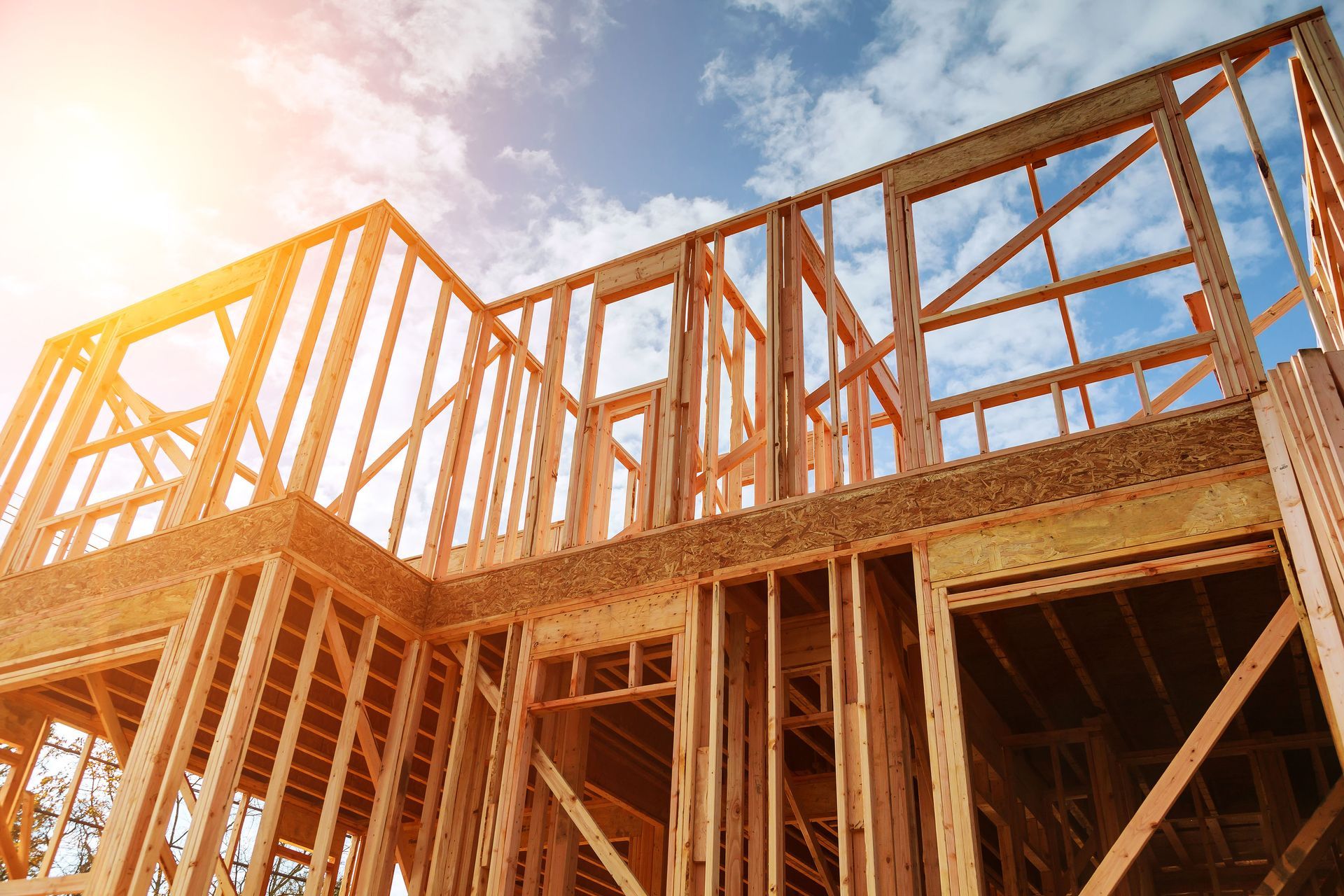
Quality drywall contributes significantly to the structural integrity of commercial buildings. While it is not typically used as a load-bearing material, drywall provides essential support to the overall structure through its integration with framing systems. In commercial spaces, where large, open areas are common, a commercial drywall contractor plays a pivotal role in defining spaces and supporting architectural elements. The strength and flexibility of drywall make it a reliable choice for creating durable interior walls. By ensuring proper installation and quality materials, builders can enhance the structural performance of drywall in their projects.
Fire Safety Standards
Fire safety is a critical consideration in commercial construction, and quality drywall can contribute to meeting stringent safety standards. Fire-resistant drywall includes additives that enhance its ability to withstand fire and prevent its spread. In commercial buildings, using fire-rated drywall in walls, ceilings, and partitions can significantly improve safety and compliance with building codes. The incorporation of fire-resistant materials is essential for protecting occupants and minimizing damage in the event of a fire. By selecting the appropriate fire-resistant drywall, builders can enhance the safety and security of their commercial spaces.
Acoustic Noise Control
In commercial environments, controlling noise is essential for creating comfortable and productive spaces. Quality drywall can enhance the acoustic performance of a building by reducing sound transmission between rooms. Specialized soundproof drywall with enhanced mass and density is designed to absorb and dampen sound, making it ideal for offices, meeting rooms, and entertainment venues. By optimizing the acoustic properties of drywall, a commercial drywall contractor can help create environments that support communication and concentration. The strategic use of drywall in noise-sensitive areas can contribute to the overall success of a commercial project.
Aesthetic and Design Contributions
Seamless Interior Design
The aesthetic appeal of commercial interiors is greatly enhanced by the smooth finishes and seamless designs that quality drywall provides. Its ability to create flat, even surfaces is essential for achieving a polished and professional look. In addition to its practical benefits, drywall serves as a blank canvas for creative design elements, allowing for the integration of various textures, colors, and patterns. The seamless appearance of drywall can make a space feel more cohesive and inviting, contributing to a positive impression on clients and visitors. By prioritizing the aesthetic quality of drywall, builders can elevate the visual appeal of their commercial projects.
Texture and Paint Versatility
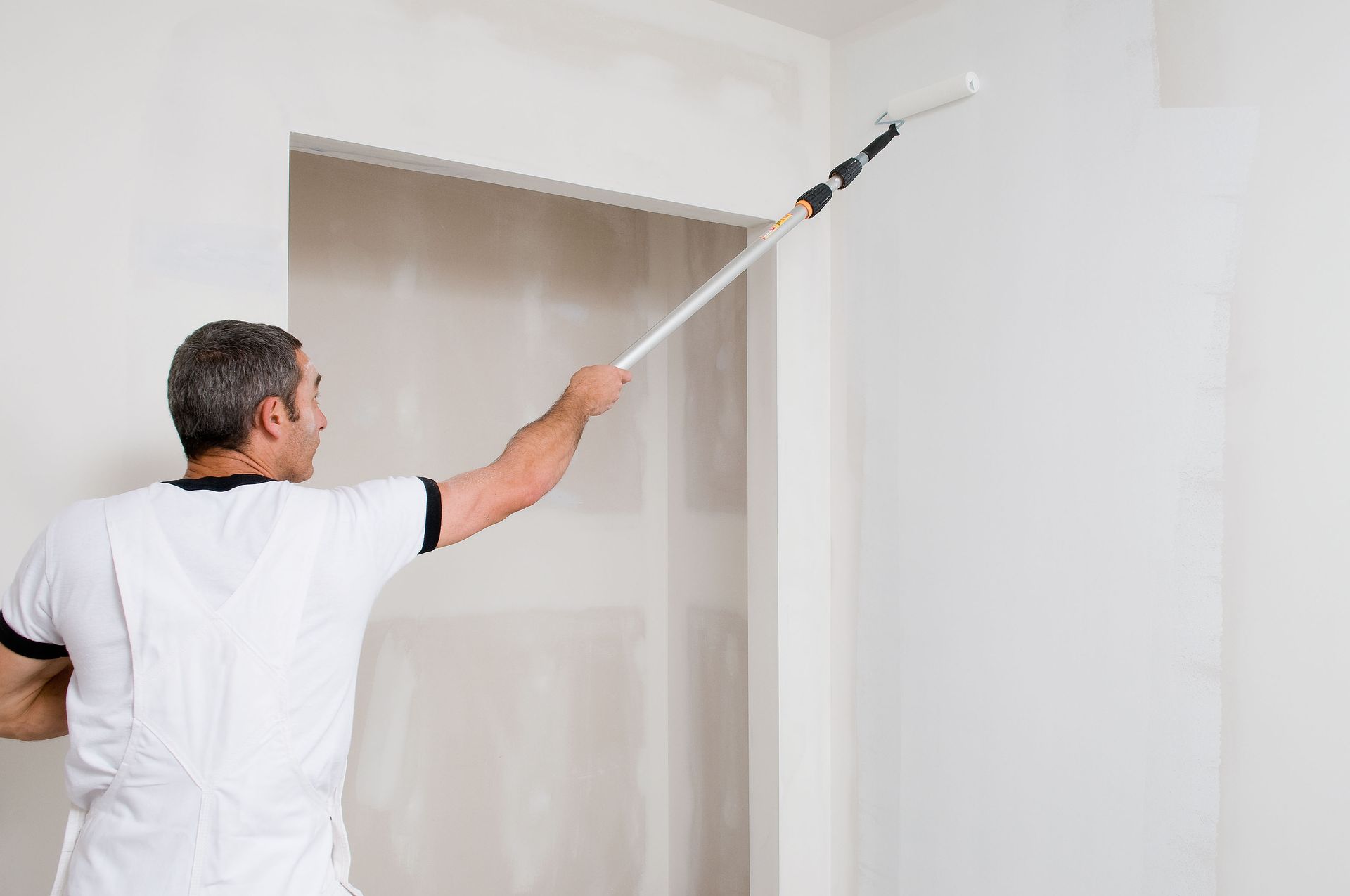
Drywall's versatility in supporting paint and texture applications makes it a preferred choice for customizing commercial interiors. Its smooth surface is ideal for applying a wide range of paint finishes, from matte to glossy, enabling designers to achieve specific aesthetic goals. Additionally, drywall can accommodate various texturing techniques, such as stucco or faux finishes, offering opportunities for creative expression. The adaptability of drywall in supporting diverse design elements allows for flexibility in achieving the desired ambiance and style. By leveraging the versatility of drywall, builders can create unique and personalized commercial spaces that align with brand identity and client preferences.
Enhanced Room Ambiance
Quality drywall plays a crucial role in shaping the interior design and ambiance of commercial spaces. Its ability to create clean lines and smooth surfaces enhances the overall aesthetic and provides a foundation for additional design elements. The choice of drywall can influence the perception of space, affecting how occupants experience and interact with the environment. By carefully selecting and installing drywall, builders can create interiors that support the intended design vision and foster a positive atmosphere. The impact of drywall on interior design extends beyond appearance, contributing to the functionality and comfort of the space.
Installation Best Practices
Professional Installation Expertise
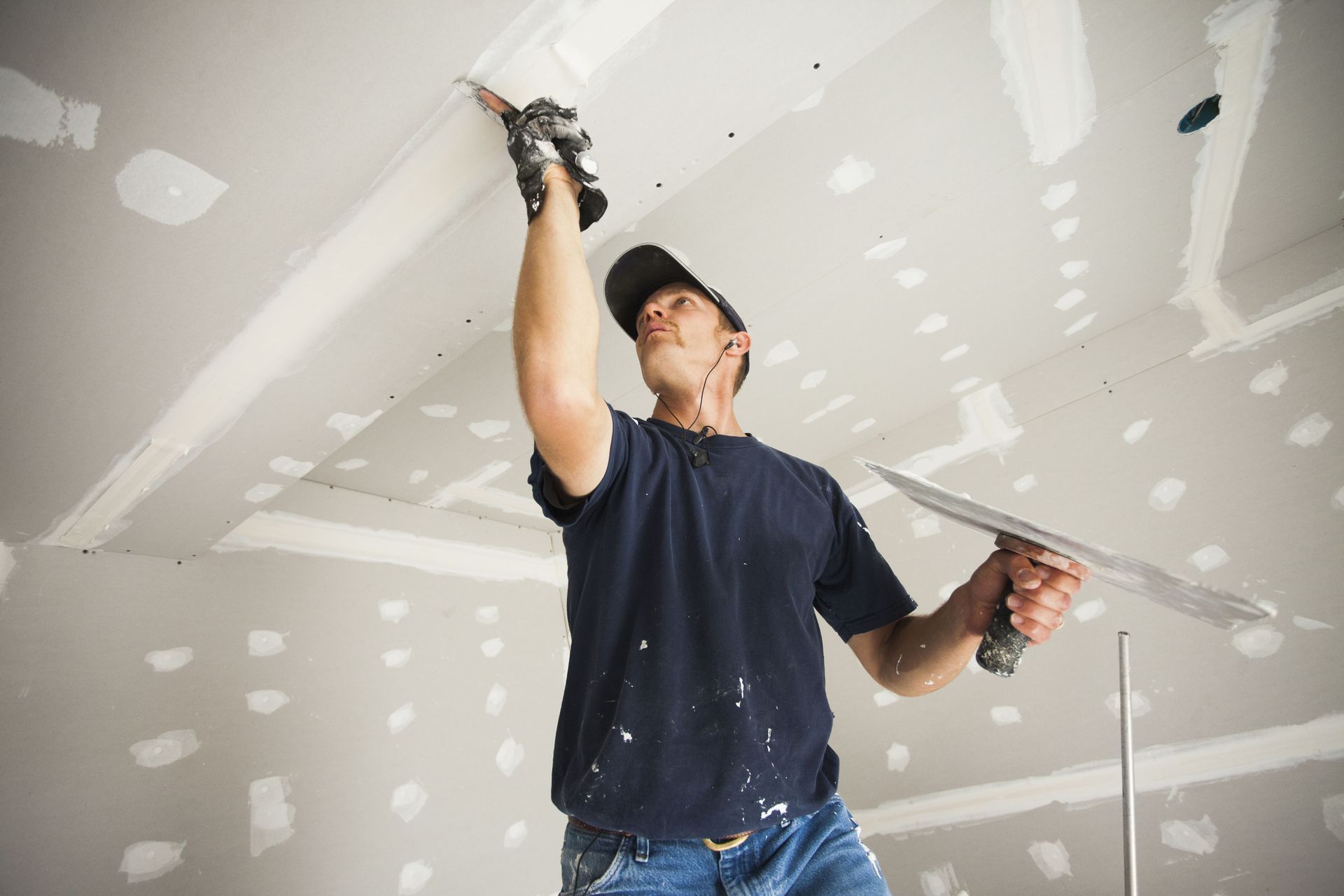
Professional installation of drywall is essential for achieving durable and high-quality results in commercial construction projects. A skilled commercial drywall contractor has the expertise to ensure precise measurements, accurate cuts, and proper alignment, preventing common issues such as gaps, uneven joints, and sagging. By adhering to industry best practices, professional installers can deliver a smooth and seamless finish that enhances the overall appearance and performance of the drywall. Investing in professional installation services can prevent costly repairs and rework, ensuring the longevity and reliability of the construction. Builders can achieve superior results and maximize the benefits of quality drywall by prioritizing professional installation.
Precision Tools and Techniques
The use of specialized tools and techniques is crucial for achieving precision in drywall installation. From drywall knives and taping tools to sanders and joint compound applicators, the right equipment ensures accurate and efficient installation. Advanced techniques, such as using laser levels and corner bead tools, can enhance the quality of the finished product and reduce the risk of errors. By hiring a qualified commercial drywall contractor who invests in the appropriate tools and training, builders can optimize their workflow and deliver exceptional results. Precision in drywall installation not only improves aesthetics but also contributes to the structural integrity and longevity of the construction.
Quality drywall is far more than a simple building material; it is a foundational element that ensures commercial spaces are safe, quiet, and visually striking. By prioritizing high-grade panels and expert installation, developers can guarantee superior fire protection, acoustic clarity, and structural longevity. Investing in premium drywall solutions ultimately transforms a standard build into a high-performance environment that protects occupants and preserves the professional aesthetic for years.
Partner with Specialty Commercial Contractors today to ensure your next project benefits from the precision, durability, and professional finish that only a premier commercial drywall contractor can provide.