June 22, 2026
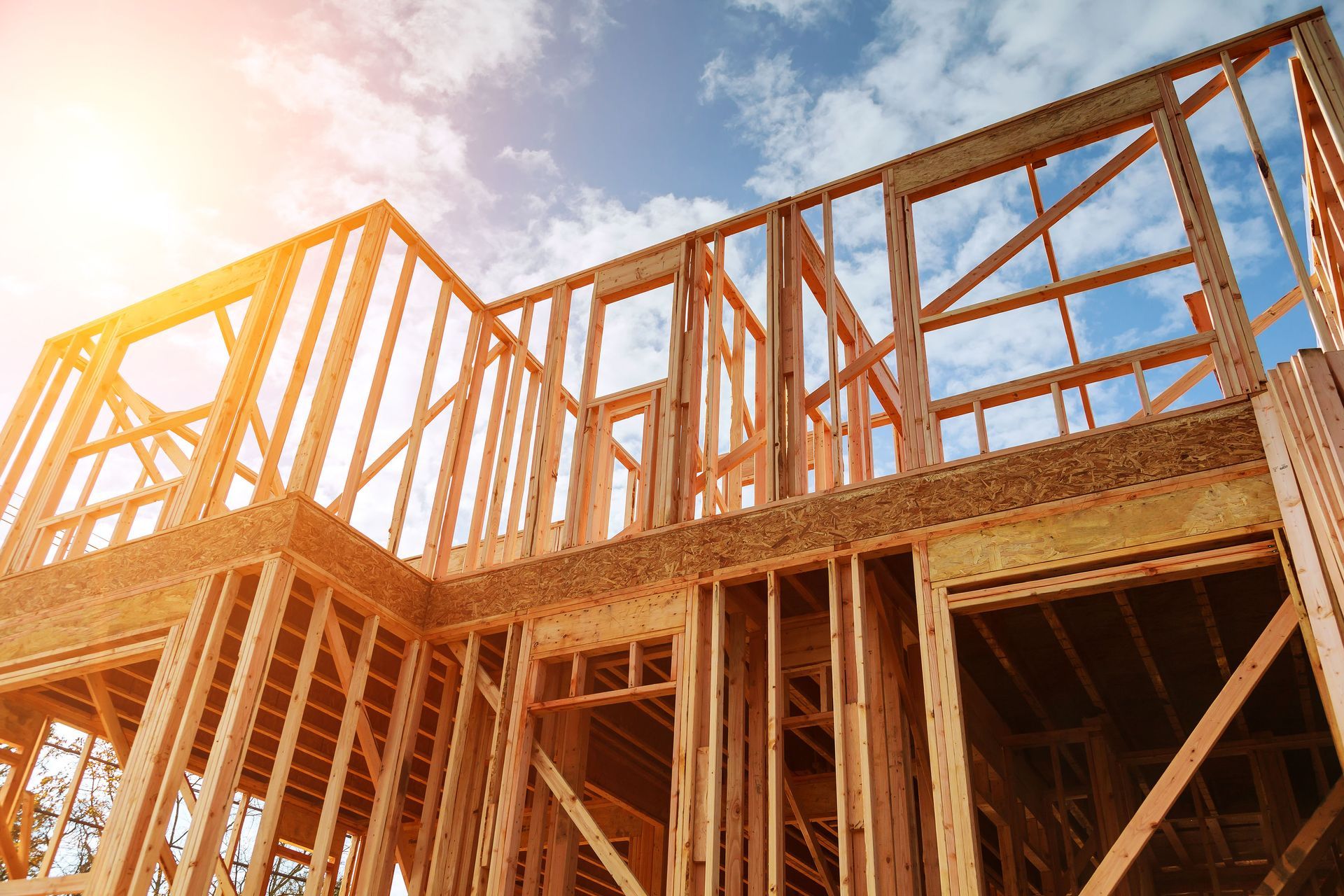
Every commercial building begins as an idea. Before office employees fill workspaces, before shoppers walk retail aisles, and before tenants move into mixed-use developments, the structure itself must take shape. One of the most important steps in that process is framing. Framing creates the skeleton of a building, defining its form, supporting its weight, and setting the stage for nearly every phase that follows. Without precise framing, even well-designed commercial projects can face costly delays and structural issues.
This is where the role of a commercial framing contractor becomes critical. Framing is far more than assembling wood or steel into walls and ceilings. It involves reading plans accurately, coordinating with multiple trades, maintaining strict timelines, and ensuring structural integrity throughout construction. A skilled commercial framing contractor helps turn architectural drawings into real-world structures that support long-term durability and functionality.
Framing Creates the Structural Foundation
Every commercial building depends on a reliable framework. While foundations anchor the structure below ground, framing establishes the shape and support above it. Walls, floors, ceilings, and roof systems all depend on proper framing to perform as intended. Without that structural precision, even minor shifts can affect how the entire building holds together over time.
A commercial framing contractor ensures these structural elements are built according to engineering requirements. Precision matters at every stage because even small alignment issues can affect everything from drywall installation to mechanical systems. Accurate framing helps keep the project stable and on track from the start.
Accuracy Impacts Every Trade On-Site
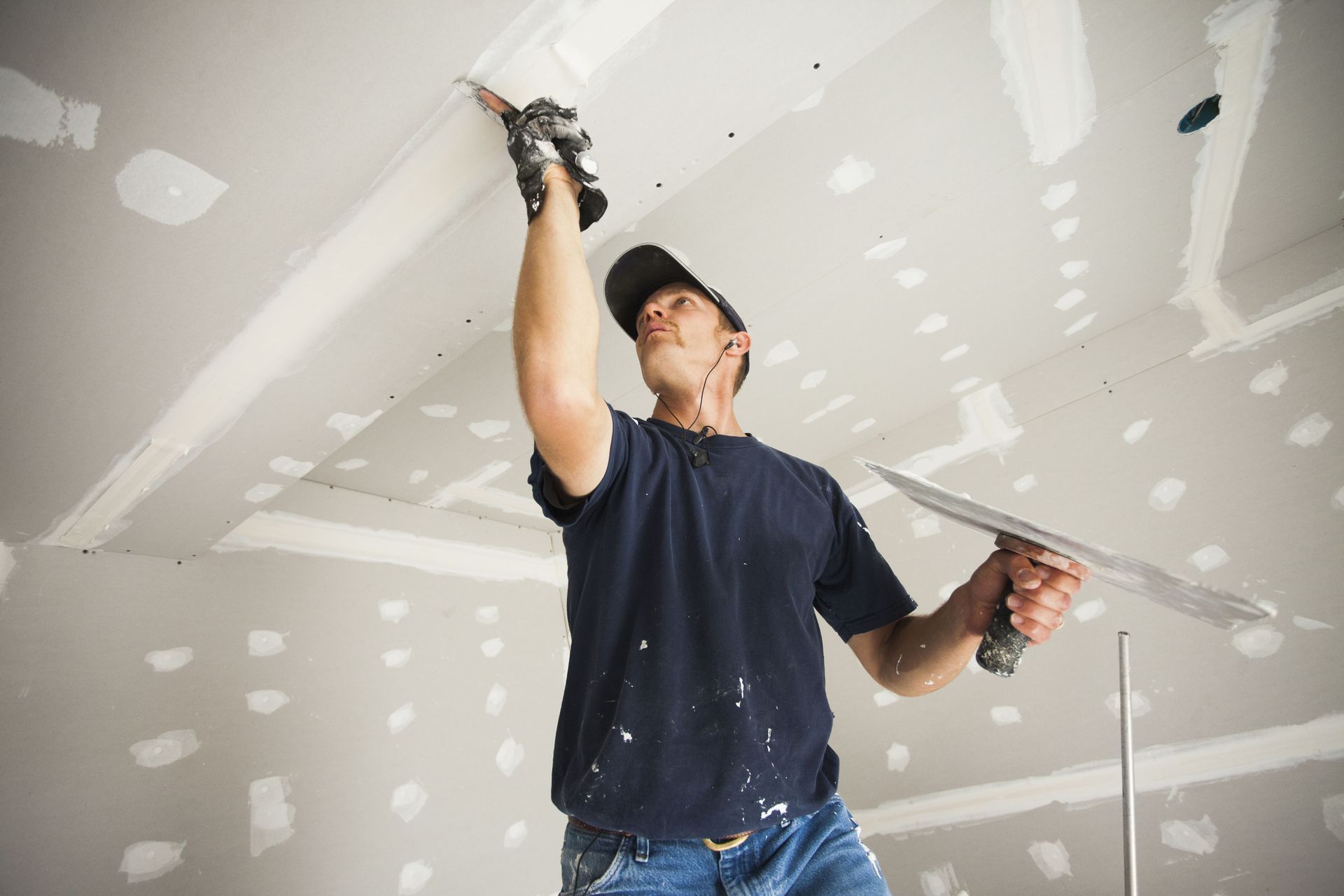
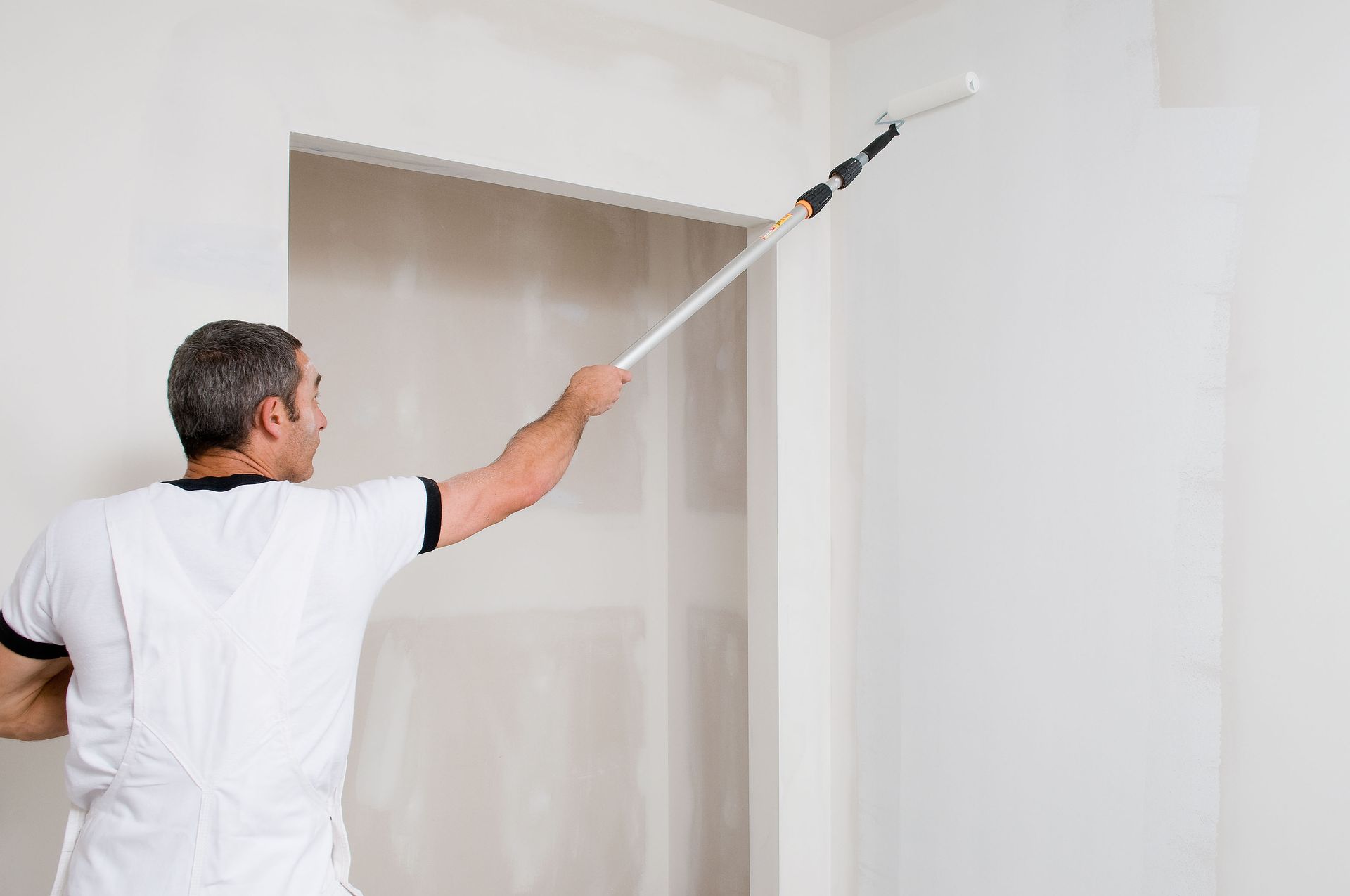
Commercial construction is highly collaborative. Electricians, plumbers, HVAC technicians, drywall installers, and finish crews all depend on framing accuracy. If wall layouts are off or openings are incorrectly sized, downstream trades often face delays and rework.
A commercial framing contractor plays a major role in maintaining workflow efficiency. By ensuring dimensions, spacing, and layout specifications are correct, framing teams reduce conflicts between trades. That coordination helps projects move more smoothly and minimizes disruptions that can affect budgets and schedules.
Commercial Projects Demand Specialized Knowledge
Commercial framing differs significantly from residential construction. Larger structures often involve steel studs, heavier load requirements, fire-rated assemblies, acoustic performance standards, and complex building codes. These projects demand technical expertise and experience.
A commercial framing contractor must understand material behavior, code requirements, and structural design principles. Commercial projects often involve schools, healthcare facilities, office buildings, and industrial spaces, each with unique requirements. Specialized knowledge helps ensure framing systems meet performance expectations in demanding environments.
Scheduling Matters In Commercial Construction
Time affects every construction project. Delays in one phase often create ripple effects across multiple teams. Framing sits at a crucial point in the schedule because so many other tasks depend on it being completed correctly and on time. That positioning means even small delays during framing can influence the pacing of subsequent construction stages.
A dependable commercial framing contractor understands scheduling pressures and sequencing. Crews must coordinate material delivery, labor allocation, inspections, and trade access. Efficient scheduling helps keep projects moving while reducing downtime between construction phases.
Safety Remains A Constant Priority
Construction sites contain inherent risks. Elevated work, heavy materials, equipment movement, and changing job-site conditions require constant awareness. Framing crews often work in fast-moving environments where safety protocols cannot be overlooked.
A commercial framing contractor helps maintain safe jobsite practices through training, planning, and adherence to regulations. Proper lifting techniques, fall protection, equipment usage, and site coordination all contribute to safer operations. Strong safety practices protect workers while supporting uninterrupted project progress.
Material Selection Influences Performance
Not all framing materials perform the same way. Wood, structural steel, and light-gauge steel each offer different strengths depending on project goals, load requirements, and environmental conditions. Material selection affects durability, fire resistance, and overall construction strategy.
A commercial framing contractor helps ensure materials align with project specifications. Choosing the right system supports structural stability and long-term performance. Material expertise also helps reduce waste and improve installation efficiency across large-scale builds.
According to The Associated General Contractors (AGC) of America, the construction industry employs 8.0 million employees and creates nearly $2.1 trillion worth of structures each year. That scale highlights just how important skilled specialists are within the building process. The work performed by a commercial framing contractor contributes directly to the safe and efficient development of many of these structures.
Framing Supports Building Functionality
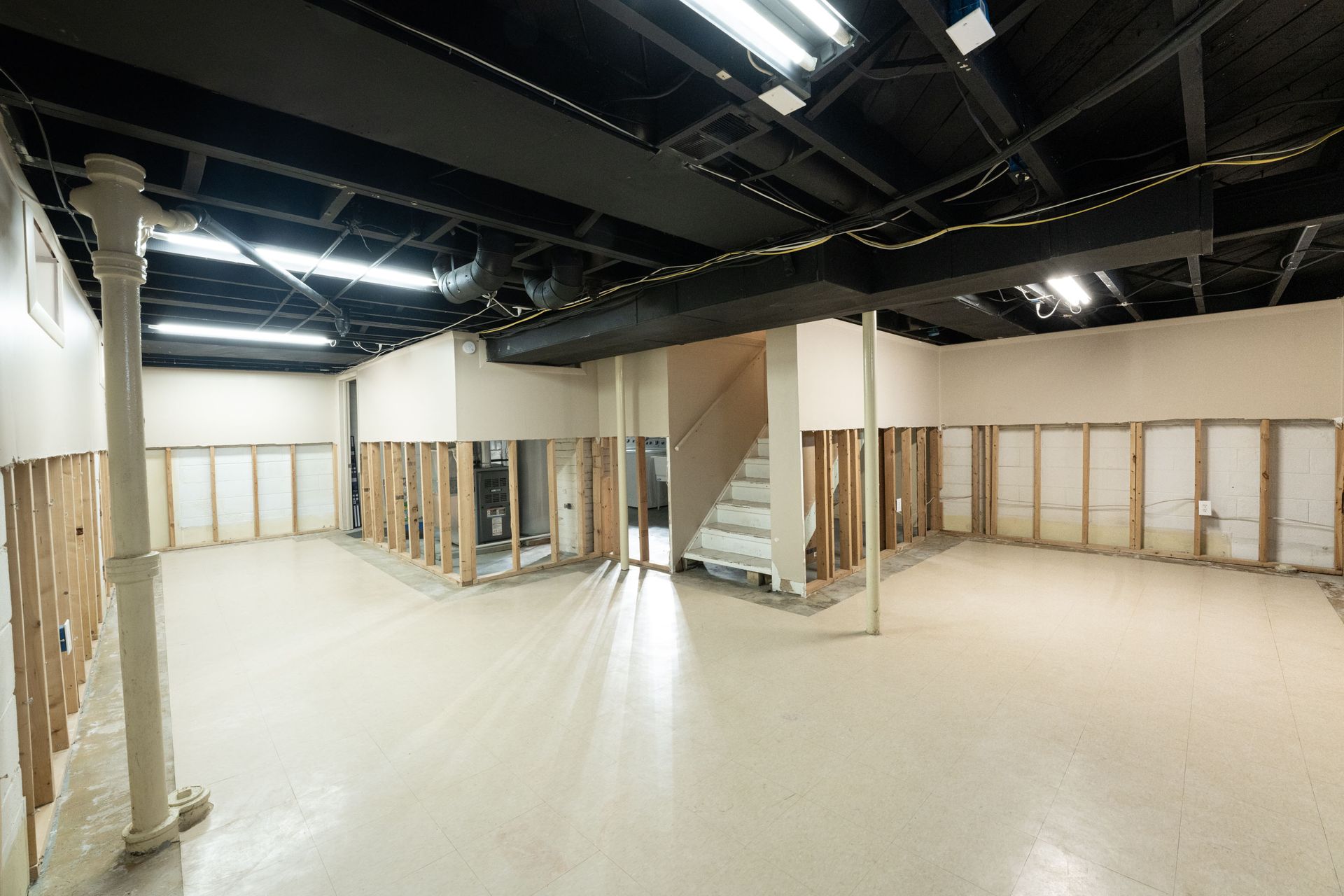
Framing affects more than structural strength. It also shapes how the building functions day to day. Wall placement influences traffic flow, room usage, accessibility, and equipment installation. Ceiling framing impacts lighting layouts, ductwork, and utility routing.
A commercial framing contractor helps ensure the finished structure supports practical use. Proper execution allows interior systems to fit as designed while preserving functionality for occupants. Good framing contributes to both performance and usability.
Quality Control Reduces Costly Rework
Construction errors can become expensive quickly. Problems caught late often require demolition, redesign, or repeated labor. Preventing mistakes early is far more efficient than correcting them after multiple trades have been completed.
A commercial framing contractor contributes to quality control by verifying measurements, layouts, and installation details throughout the process. Consistent inspections during framing reduce the likelihood of major corrections later. This attention to detail helps protect timelines and budgets.
Adaptability Helps Solve Jobsite Challenges
No commercial project goes exactly as planned. Design changes, material delays, unexpected site conditions, and coordination challenges can arise at any point. Construction teams must adapt without compromising quality.
A skilled commercial framing contractor brings problem-solving ability to these situations. Adjustments often require careful coordination with architects, engineers, and project managers. The ability to respond effectively helps keep projects moving despite changing conditions.
Long-Term Building Performance Starts Early
The performance of a commercial building depends heavily on early construction phases. Structural alignment, wall integrity, and framing accuracy influence everything from energy efficiency to interior finish quality. Problems introduced during framing may remain hidden for years.
A commercial framing contractor helps establish long-term reliability by ensuring the structure begins with strong fundamentals. Proper framing supports durability and helps reduce future maintenance concerns. The quality of this work can affect building performance for decades.
Experience matters in commercial construction because complexity is unavoidable. Larger projects often involve strict deadlines, multiple stakeholders, and evolving requirements. Teams must manage technical details while maintaining efficiency.
An experienced commercial framing contractor brings practical knowledge that supports better decision-making in the field. Familiarity with project sequencing, material systems, and trade coordination helps reduce uncertainty. That experience often becomes a major advantage in demanding builds.
The role of framing in commercial construction cannot be overstated. It establishes the structure, supports critical systems, and affects every phase that follows. A commercial framing contractor does far more than assemble materials. This work requires technical skill, planning, coordination, and adaptability. From structural integrity to long-term performance, framing helps determine how well a building serves its purpose. Investing in skilled framing professionals helps lay the groundwork for stronger, safer, and more functional commercial spaces.
For businesses planning new construction or tenant improvements, partnering with experienced professionals can make a significant difference. Specialty Commercial Contractors provides skilled support for commercial framing projects, helping clients navigate structural requirements, project coordination, and scheduling demands with confidence. Businesses seeking dependable framing solutions can benefit from working with our team, which understands the complexity of commercial construction. Need a framing contractor? Call Specialty Commercial Contractors today!